As+3
Arsenite
Trivalent. Difficult to remove.
Arsenic occurs widely in the earth’s crust and, as a result, in groundwater in many parts of the world; it can also enter drinking water through commercial and industrial uses such as pesticides. Arsenic is often found alongside iron and manganese, and the presence of iron can interfere with arsenic removal — so the two are typically addressed together. Arsenic content in a given well can also vary over time and with the well’s rate of draw.
The EPA regulates arsenic under the National Primary Drinking Water Standards’ Chemical Contaminants Rules, with an MCL of 0.01 mg/L, lowered from 0.05 mg/L in 2001.
The EPA lowered the maximum contaminant level (MCL) for arsenic in drinking water from 0.05 mg/L to 0.01 mg/L in 2001, a change that pushed a significantly larger number of public water systems out of compliance and spurred considerable research into arsenic treatment design. As a result, many technologies are now available for arsenic removal.
Arsenic in water takes different forms. For potable treatment, the key distinction is between trivalent arsenite (As+3, or Arsenic 3) and pentavalent arsenate (As+5, or Arsenic 5). Arsenite is difficult to remove and must first be oxidized to arsenate, which carries a negative charge and can be readily removed by coagulants in an arsenic filtration system. In the U.S., roughly a third of soluble arsenic in well water occurs as arsenite.
Trivalent. Difficult to remove.
Pentavalent. Carries a negative charge.
Readily removed once oxidized.
This oxidation from Arsenic 3 to Arsenic 5 can be achieved through several means, including chlorine, potassium permanganate, ozone, hydrogen peroxide, and ultraviolet light.
Arsenic is removed to some extent in iron and manganese treatment plants, since it has an affinity for insoluble iron oxides — iron oxide-coated sand, in fact, has proven an effective adsorbent for arsenic and other metals and metalloids. However, effective system design depends on several other factors (for instance, adsorption decreases as pH increases), so application-specific testing is typically required.
Arsenic has no detectable odor or taste, making it essential to properly monitor treated effluent to confirm removal performance.
Exposure to arsenic at elevated levels poses serious chronic and acute health effects. Acute effects include nausea, neurological effects, and fatigue; chronic effects include several types of cancer and skin discoloration, with risk increasing alongside exposure level and duration.
Both arsenite and arsenate are readily absorbed in the stomach, but arsenite clears from the body far more slowly — making it the more persistent toxin and the greater biological threat.
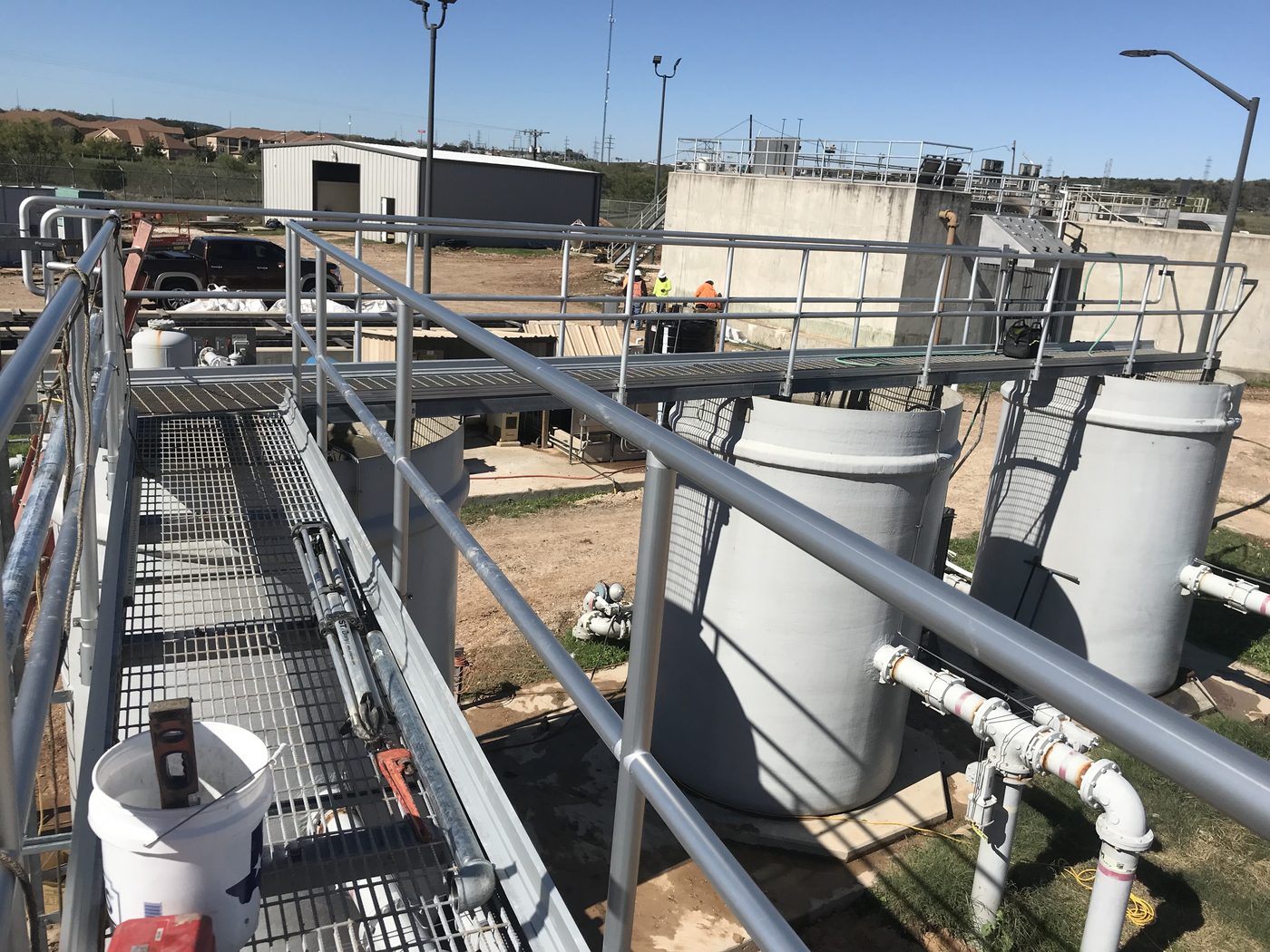
There are many technologies available for arsenic removal. In our applications, WETS has most often used modified coagulation/filtration (MCF) technology, which addresses iron and manganese together and offers strong economics for many clients. Our pilot studies help economize chemical dosing and support TCEQ approval — and because we don’t offer an off-the-shelf product, every solution is tailored to the specific plant.
Whether you want a new water treatment system installed, need your current one inspected and repaired, or just want a free quote, contact the WETS LLC. With years of experience in the industry, our skilled team members are trained and knowledgeable with a variety of leading water equipment and products. Our certified water purification experts are here to help.
Contact Us