GST Water Ventilation Systems
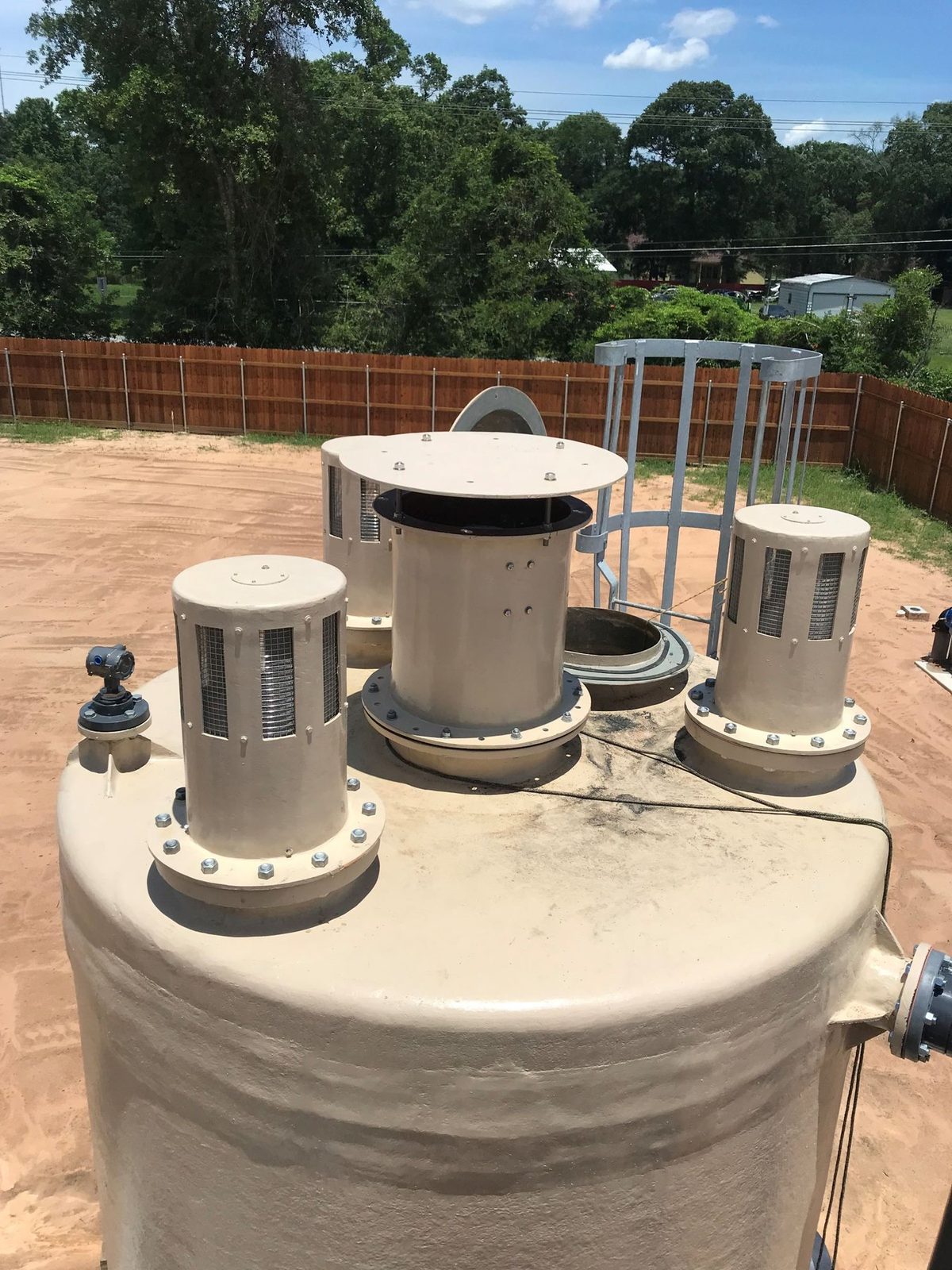
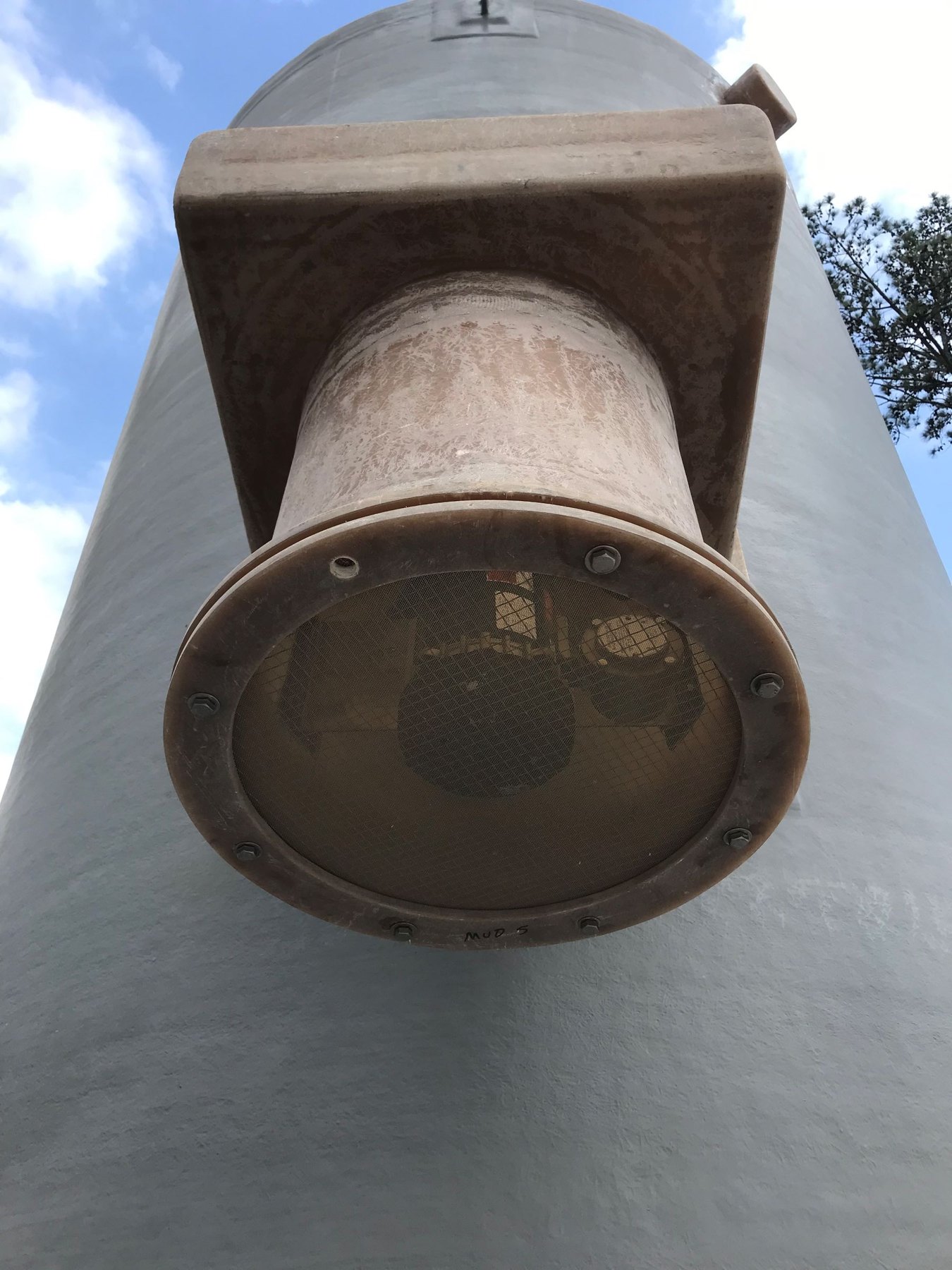
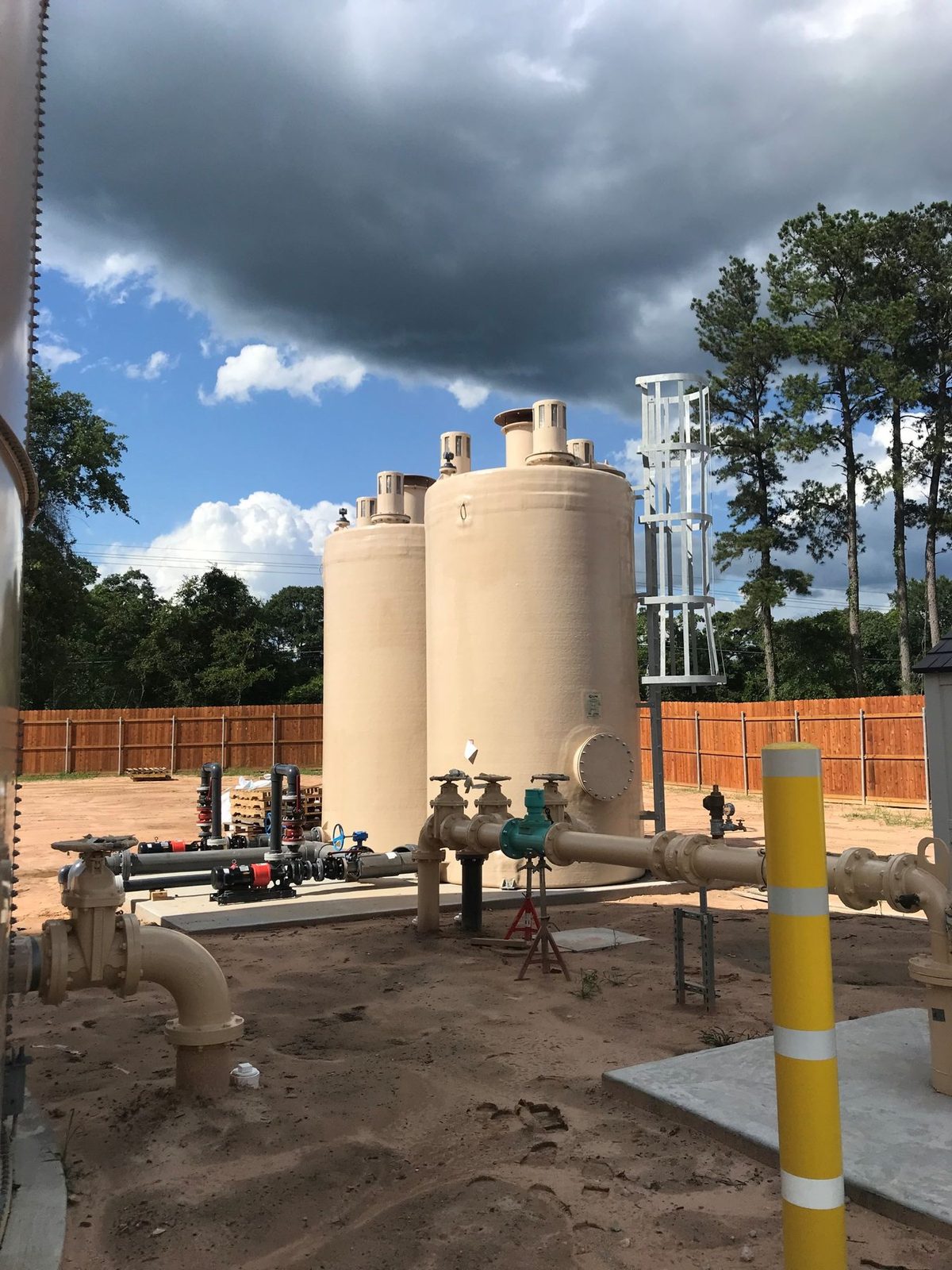
WETS offers proprietary, easy-to-maintain water ventilation systems for ground storage tanks, designed to remove volatile components such as hydrogen sulfide and carbon dioxide while retaining maximum chlorine — saving on chlorine costs.
Volatiles out, chlorine retained
We have had success using tank ventilation for easier-to-remove volatiles such as hydrogen sulfide and carbon dioxide.
Why we don’t recommend tank aeration for THM
While tank ventilation and aeration systems for THM water treatment are available in the industry, WETS does not provide or recommend them.
THM is more difficult to remove to specification. Where aeration is the best option for THM removal, we recommend dedicated removal in a separate aeration vessel.
Integrating aeration for THM removal into a tank design presents considerable challenges, and WETS has been asked on several occasions to troubleshoot such systems; in each case, we have recommended moving to a separate aeration vessel.
It’s also worth noting that aeration isn’t always the best solution for a THM problem — removing THM precursors through coagulation and filtration may be the better option for a given application.
Sufficient surface area for air/water contact
The core challenge with any aeration approach is providing sufficient surface area for air/water contact.
A packed tower aerator with an inlet spray system does this far more effectively than storage tank aeration.
Evaluated case by case
Whatever the contaminant, identifying the optimum removal approach is essential, and each situation should be evaluated on a case-by-case basis through a well-executed pilot study.
WETS’ ability to conduct pilot studies quickly and cost-effectively is a clear differentiator for our company. We mobilize our pilot study team to your site to test a slipstream of your water, with the resulting report guiding the design of a customized solution and supporting your TCEQ approval documentation.