Water Disinfection and Chlorination
From 25,000 deaths to fewer than 20
Drinking water has long been understood as a potential source of illness, and humans have used various disinfection methods for millennia — though it wasn’t until the late 1890s that chlorine and chlorine-based products were evaluated and proven effective. Waterborne diseases such as typhoid, dysentery, and cholera occurred regularly through the 1800s and into the early 1900s due to the state of U.S. water systems; chlorination’s implementation produced a dramatic drop in illness and fatalities (typhoid deaths in the U.S. fell from 25,000 in 1900 to fewer than 20 by 1960).
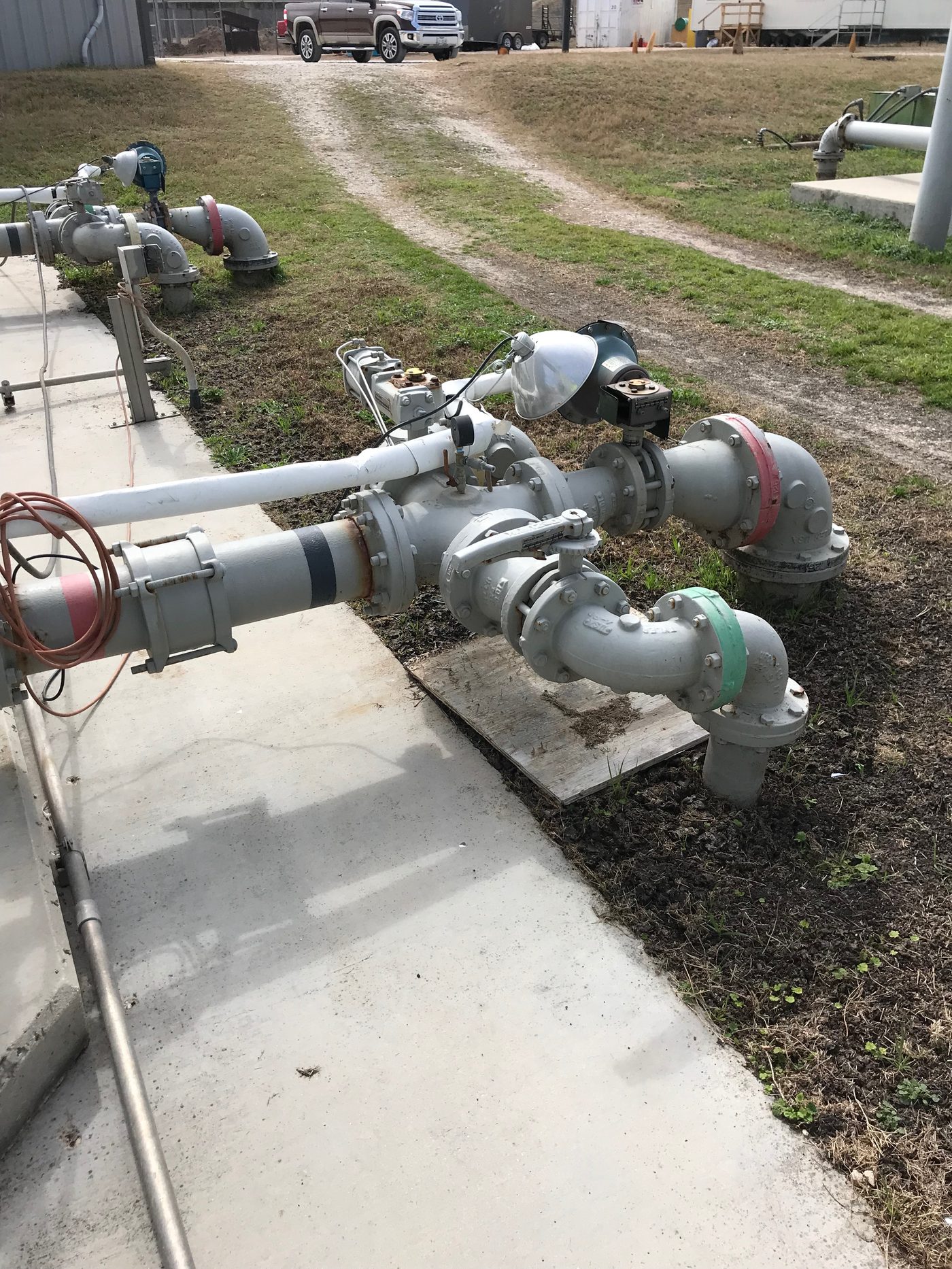
Chlorine remains the disinfectant of choice for drinking water due to its effectiveness, efficiency, economy, convenience, and its ability to persist as a residual, continuing to protect water throughout the distribution system. Treatment can rely on chlorine gas, sodium hypochlorite, or chloramines.
The goal of disinfection is destroying or inactivating disease-producing microorganisms — not achieving complete sterilization of the water. Disinfecting groundwater/well water is generally easier than surface water, since groundwater quality changes little over time, while surface water experiences seasonal shifts and rapid changes from events like rainfall, and lacks the natural filtering benefit that groundwater receives — potentially carrying a greater quantity and variety of pathogens, some more resistant to disinfection.
The actual oxidizing agents
In water, chlorine hydrolyzes into the weak acid hypochlorous acid (HOCl); HOCl and the hypochlorite ion (ClO⁻) are the actual oxidizing agents, with free residual chlorine representing their combined concentration.
Sodium hypochlorite (NaClO) and calcium hypochlorite (Ca(ClO2)) serve as substitutes for chlorine gas, providing the same hypochlorite hydrolysis agent without the hazards of gaseous chlorine — though at greater cost.
Chloramine — the combination of chlorine and ammonia — saw limited historical use but has grown more popular following the discovery of health concerns tied to chlorine disinfection byproducts such as THMs. Chloramination produces fewer disinfection byproducts than free chlorine under most conditions: when chlorine is added to ammonia-containing water, the ammonia reacts with HOCl to form chloramines (monochloramine NH2Cl, dichloramine NHCl2), which carry weaker oxidizing capacity than HOCl.
Maintaining a free residual
To ensure proper disinfection, treated water maintains a free residual chlorine level, typically targeted at 0.1 to 0.2 ppm; the EPA requires free residual chlorine to be detectable, with a maximum of 4 ppm (as Cl2) for chlorine and chloramines. Chloramine is often used as a secondary disinfectant to establish total residual chlorine, reducing disinfection byproduct formation in the distribution system compared with chlorine residual alone.
Bacterial kill rates from chlorination depend on pH, temperature, contact time, and residual chlorine type and concentration — kill is faster at pH 5–6 than at higher pH, and faster at higher temperatures. Free residual chlorine achieves kill within minutes, while combined residuals such as chloramines require 1 to 4 hours.
Primary disinfection typically adds free chlorine post-filtration to inactivate target pathogens at a dose exceeding a specified concentration-time threshold before reaching the first consumers; secondary disinfection maintains a free chlorine residual throughout the distribution system, both guarding against accidental contamination and controlling bacterial regrowth.
Because free chlorine also reacts with dissolved organic matter, its concentration steadily decreases as water travel time increases, sometimes complicating efforts to maintain adequate residuals system-wide. Since groundwater sources typically show relatively constant impurity levels, chlorine dosing for groundwater is generally set on a lb/day or lb/mmGal basis.
Gas and liquid bleach
Chlorine gas (Cl2) is greenish-yellow with a pungent odor — neither explosive nor flammable, but a strong oxidant that reacts violently with many substances, typically stored and shipped as a liquefied gas under pressure in cylinders. Sodium hypochlorite (NaOCl), commonly called liquid bleach, is available at 5–20% available chlorine and, unlike elemental chlorine, decomposes over time (roughly 0.5% per day, depending on concentration, temperature, and pH).
Issues with Disinfection Byproducts (DBPs)
Chlorine disinfection can form byproducts (DBPs), typically monitored by measuring total organic halogens (TOX) in treated water, much of which forms in the distribution system in association with residual chlorine.
Of the identified DBPs, trihalomethanes (THMs) and haloacetic acids (HAAs) are of greatest concern, though a significant share of TOX in drinking water still can’t be attributed to specific known DBPs. Some members of these groups are suspected human carcinogens. The EPA’s Stage 2 Disinfectants/Disinfection Byproducts Rule sets MCLs of 80 μg/L for four THMs and 60 μg/L for five HAAs, based on a locational running annual average.
DBP formation depends on many variables beyond disinfectant type and residual level, including reaction/exposure time, dissolved organic carbon (DOC) levels, the organic matter’s composition and structure, water temperature and pH, and chloride, bromide, and iodide concentrations — meaning the optimal minimization strategy will likely require bench and pilot testing along with some trial and error.
Strategies to reduce TOX, THM, and HAA formation include optimizing chlorine residual levels (including booster dosing locations), using chloramines as a secondary disinfectant to establish residual chlorine, and using chlorine dioxide for peroxidation.
System Blending and Nitrification
Blending water from chlorinated and chloraminated systems is relatively common — for instance, a smaller system drawing on a larger one to meet peak seasonal demand — but can create issues with chloramine decay and nitrification that complicate maintaining proper chlorine residuals.
Blending tends to succeed when chloramine flows are limited to roughly 30% of total system flow, chloramines entering the system are stable, and they contact moderately strong free-chlorine residuals; otherwise, problems grow more pronounced in areas with greater water age, potentially leading to a major nitrification episode.
In nitrification, nitrite and nitrate compounds — formed when bacteria react with free ammonia — react with chlorine and chloramines, increasing chlorine demand and reducing residuals. This can have regulatory consequences, since low or absent disinfectant levels can promote coliform bacteria growth and trigger a Total Coliform Rule violation. Per the EPA’s October 2002 paper on nitrification, adverse impacts can include increased nitrite/nitrate levels, reduced alkalinity, pH, dissolved oxygen, and chloramine residuals, and increased bacterial regrowth, with associated potential health impacts.
Nitrification is a microbial process in which reduced nitrogen compounds — primarily ammonia, whether naturally occurring or added during chloramine formation — are sequentially oxidized to nitrite and nitrate by autotrophic nitrifying bacteria. Under the Safe Drinking Water Act, primary MCLs exist for nitrite-N, nitrate-N, and their combined total. Conditions that favor nitrification include warmer temperatures (ideal range 77°–86°F for nitrifying bacteria), higher pH (rapid nitrification in the 8.5–8.9 range), and increased water age.
Solutions to Your Water Treatment Needs
Whether you want a new water treatment system installed, need your current one inspected and repaired, or just want a free quote, contact the WETS LLC. With years of experience in the industry, our skilled team members are trained and knowledgeable with a variety of leading water equipment and products. Our certified water purification experts are here to help.
Contact Us