The EPA’s National Secondary Drinking Water Standards set MCLs of 0.3 mg/L for iron and 0.05 mg/L for manganese. As secondary standards, they address aesthetic considerations — taste, color, and odor — rather than health risk, though states, including Texas, may adopt them as enforceable standards.
Texas Department of Health, December 9, 1991
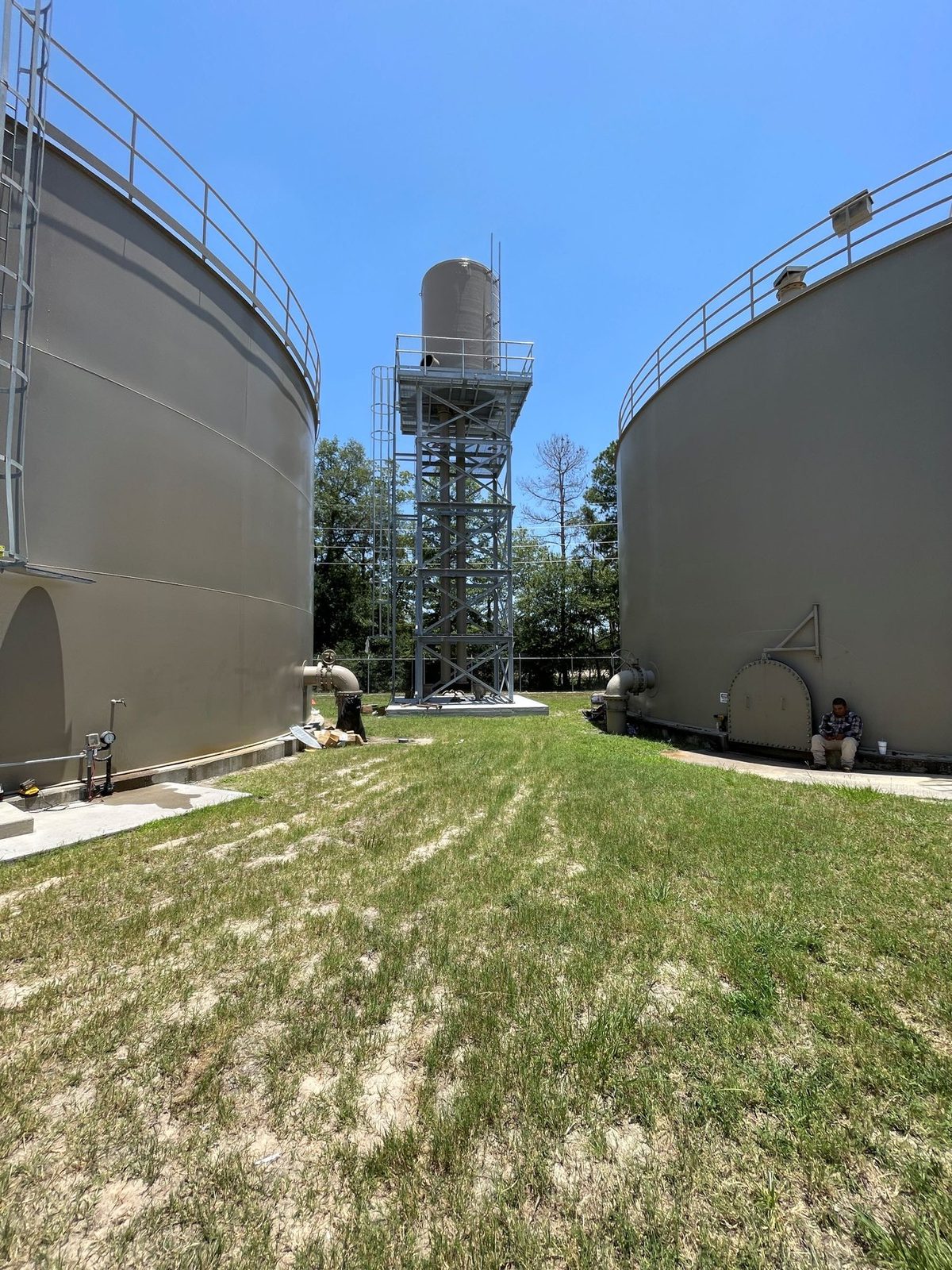
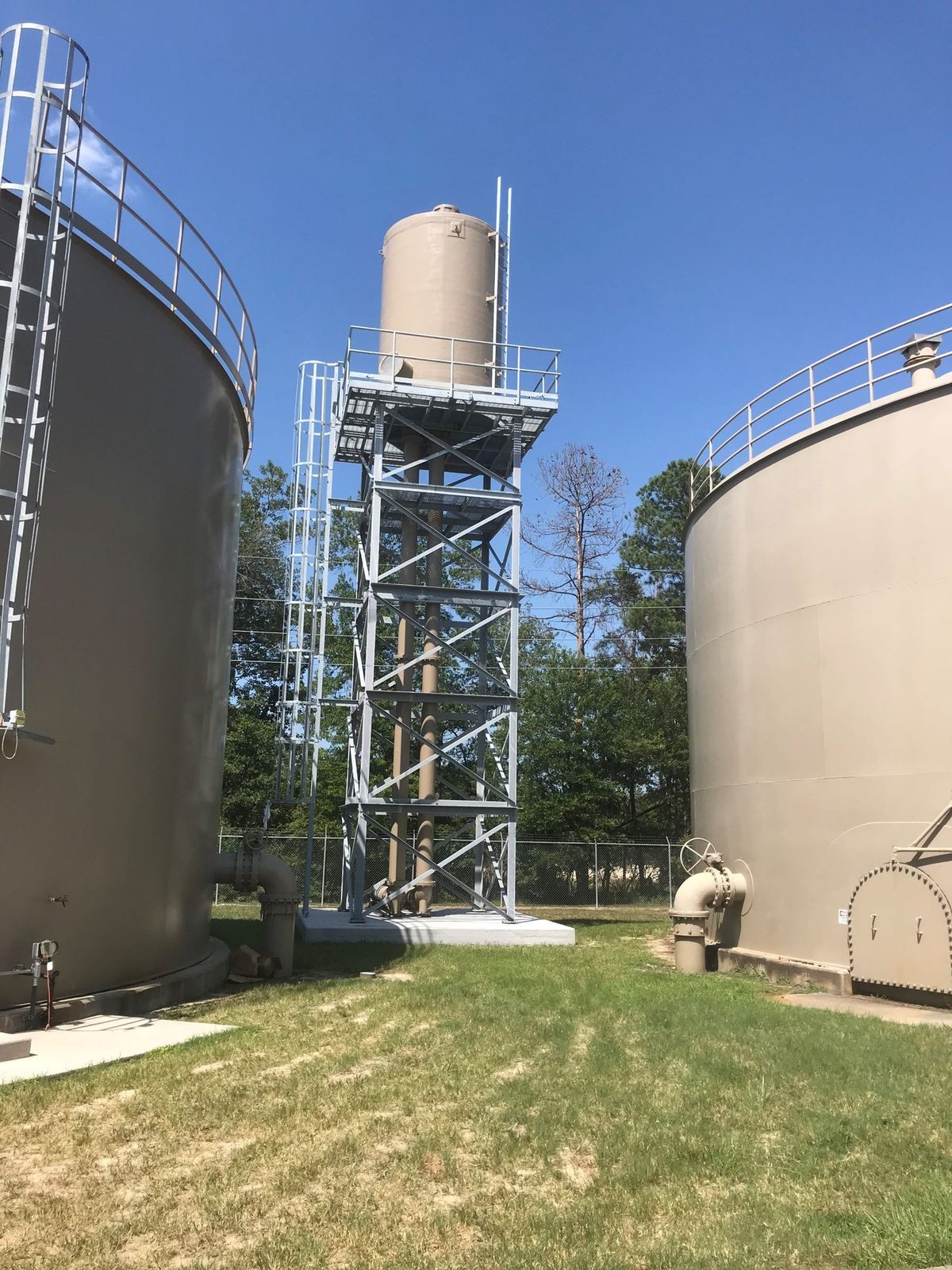
A December 9, 1991 letter from the Texas Department of Health notes that iron and manganese pose aesthetic rather than health-related concerns, and that public systems exceeding the established limits must manage these elements to eliminate associated discoloration — with the Department’s preferred approach being to maximize oxidation of these metals, then effectively filter the resulting precipitate. Enhanced aeration is cited as one of four recommended oxidation methods.
One ppm of dissolved oxygen oxidizes roughly seven ppm of iron or 3.5 ppm of manganese, and aeration typically dissolves about 7 mg/L of oxygen into water at ambient temperatures. Because iron and manganese removal improves at higher pH, aeration — which often raises pH by stripping CO2 — supports removal of both; between the two, iron oxidizes more readily at lower pH.
After aeration or chlorination, most soluble ferrous (Fe+2) iron oxidizes readily to insoluble ferric (Fe+3) iron for efficient filtration, while soluble manganous (Mn+2) manganese oxidizes more slowly and may need stronger oxidants or elevated pH to form insoluble manganic (Mn+4) particulates. Other natural contaminants — organics, phosphates, complexing ligands, ammonia, and hydrogen sulfide — can bind with iron and manganese or interfere with their oxidation rates. Recent research also suggests manganese exposure at or above the current standard may be linked to developmental issues in children.