Radon
A decay product you cannot detect
Radon is a naturally occurring radioactive gas formed in the decay chain of uranium in soil and rock (radon itself being the immediate decay product of radium). Elevated levels can enter groundwater flowing through granite or granitic sand and gravel formations. Radon is colorless, odorless, tasteless, and chemically inert, emitting ionizing radiation linked to lung cancer — it is considered the second-leading cause of lung cancer in the U.S. Ingesting radon-containing water may also increase the risk of internal organ cancers, primarily stomach cancer.
The limit depends on the state
There are still no federally enforced drinking water standards for radon, though the EPA has proposed regulations under which the applicable limit would depend on whether a state has an EPA-approved indoor radon air program (a Multimedia Mitigation Program): 4,000 picocuries per liter (pCi/L) for states with such a program, or 300 pCi/L without one. States lacking a program can also allow individual public water systems to establish their own local radon program to meet the higher 4,000 pCi/L standard.
The risk is mostly airborne
Most indoor radon originates from soil beneath a home, but radon gas can also dissolve in groundwater and escape into the air during showering, dishwashing, and similar activities — contributing to the broader health concern around airborne radon. The EPA estimates that radon in drinking water contributes to between 30 and 600 lung cancer deaths annually. Radon remaining in the water also carries a smaller risk of internal organ cancers, primarily stomach cancer, though this risk is considered lower than the lung cancer risk from airborne radon. Radon is not a concern in surface water, since it releases into the air before reaching the consumer.
Aeration, sized by pilot study
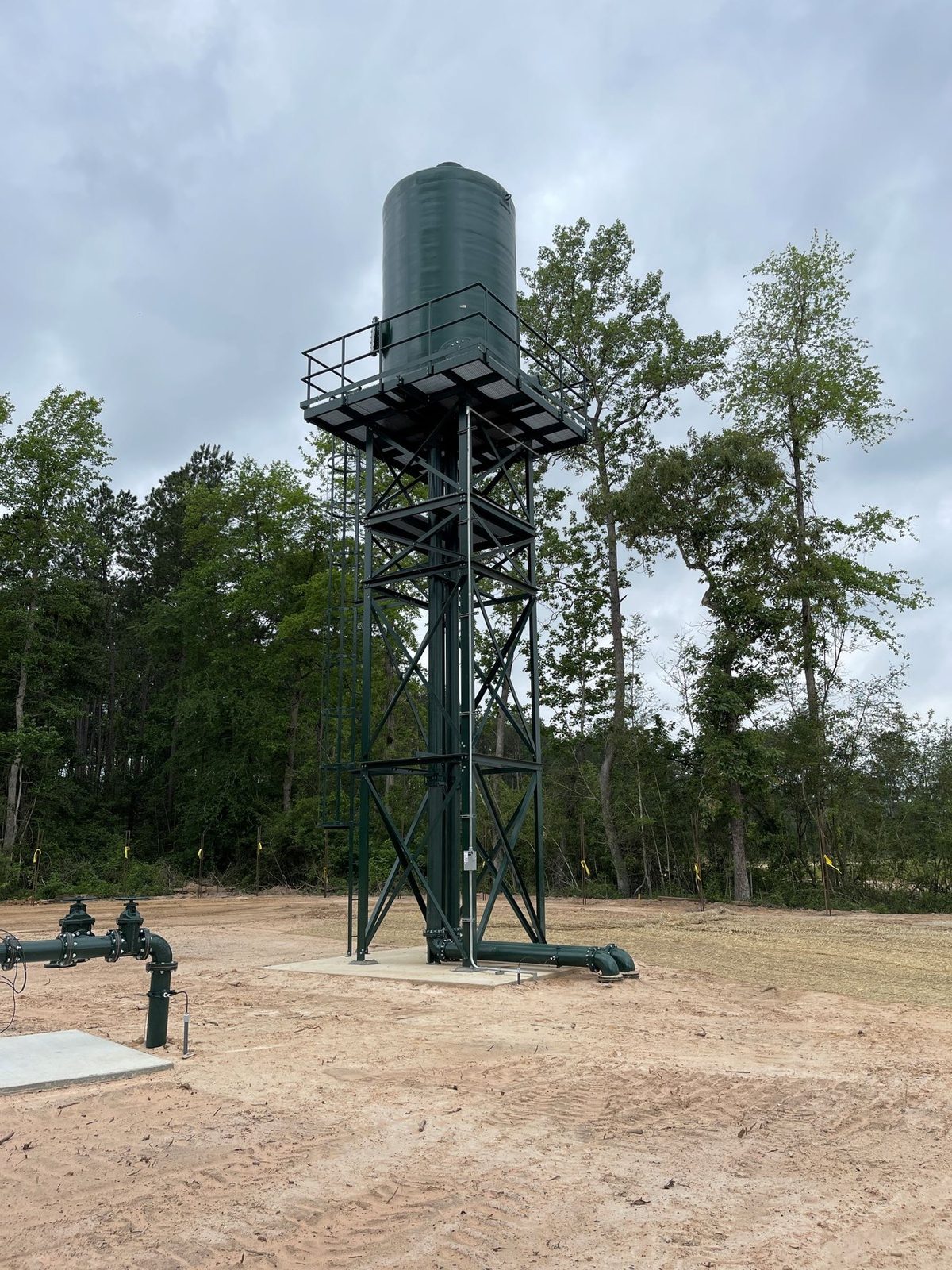
WETS uses aeration as the preferred method for radon removal, generally recommending a pilot study to optimize aerator sizing for the application. Because we don’t offer an off-the-shelf product, every solution is unique to the plant.
Solutions to Your Water Treatment Needs
Whether you want a new water treatment system installed, need your current one inspected and repaired, or just want a free quote, contact the WETS LLC. With years of experience in the industry, our skilled team members are trained and knowledgeable with a variety of leading water equipment and products. Our certified water purification experts are here to help.
Contact Us