Hydrogen Sulfide
Detectable long before it is dangerous
Hydrogen sulfide is a highly toxic, flammable gas, though its presence in drinking water is not concentrated enough to pose a health threat, and its rotten-egg odor makes it easily detectable. Removal is typically pursued for aesthetic reasons; hydrogen sulfide is not regulated by the EPA.
A byproduct of sulfur-reducing bacteria
Hydrogen sulfide in water usually results from sulfur-reducing bacteria that occur naturally, using sulfates and sulfur compounds found in decaying plant material and producing hydrogen sulfide as a byproduct.
If the odor is noticeable only in hot water, the source is likely the water heater — a magnesium anode rod installed to inhibit corrosion can produce hydrogen sulfide from sulfates present in the water.
Chlorine or aeration
Chlorine added as a disinfectant converts hydrogen sulfide to sulfates, but the chlorine cost rises steeply at higher concentrations (roughly 7 parts chlorine per part H2S). Aeration is often used instead: the process strips most hydrogen sulfide directly from the water, with the oxygen in air also slowly converting some hydrogen sulfide to sulfate. Proper pH control is essential — removal efficiency improves markedly at lower pH.
Why pH decides the outcome
At pH 5, aeration can strip up to 98% of H2S; at pH 8, less than 10% is removed. High alkalinity further limits stripping performance. With proper pH control, aeration removes the bulk of hydrogen sulfide, and downstream chlorination can eliminate the remainder at a much lower chlorine cost than chlorination alone.
Unpalatable before it is hazardous
Hydrogen sulfide is not regulated by the EPA. Concentrations high enough to pose a health hazard would also render water unpalatable — as little as 0.5 ppm is detectable by odor for most people.
Public Health Concerns
Hydrogen sulfide in water is primarily an aesthetic concern related to odor. While the gas itself is highly toxic and flammable, its concentration in water is too low to pose a health risk.
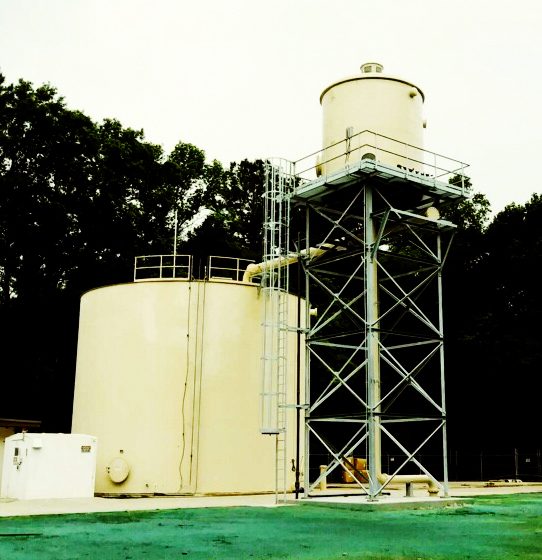
Aeration, with pH control as needed
WETS typically uses aeration for hydrogen sulfide treatment, with pH control applied as needed.
Solutions to Your Water Treatment Needs
Whether you want a new water treatment system installed, need your current one inspected and repaired, or just want a free quote, contact the WETS LLC. With years of experience in the industry, our skilled team members are trained and knowledgeable with a variety of leading water equipment and products. Our certified water purification experts are here to help.
Contact Us